
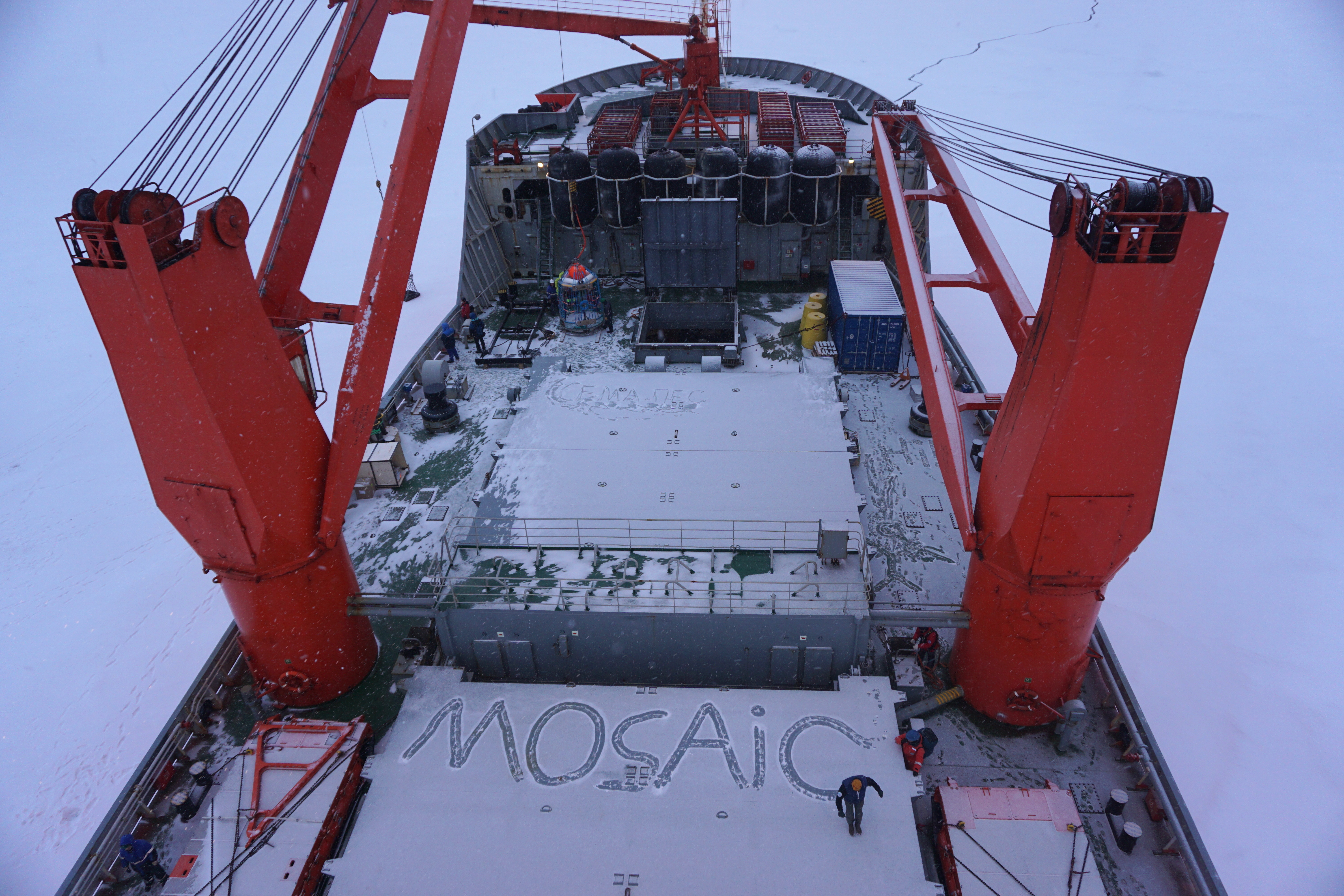
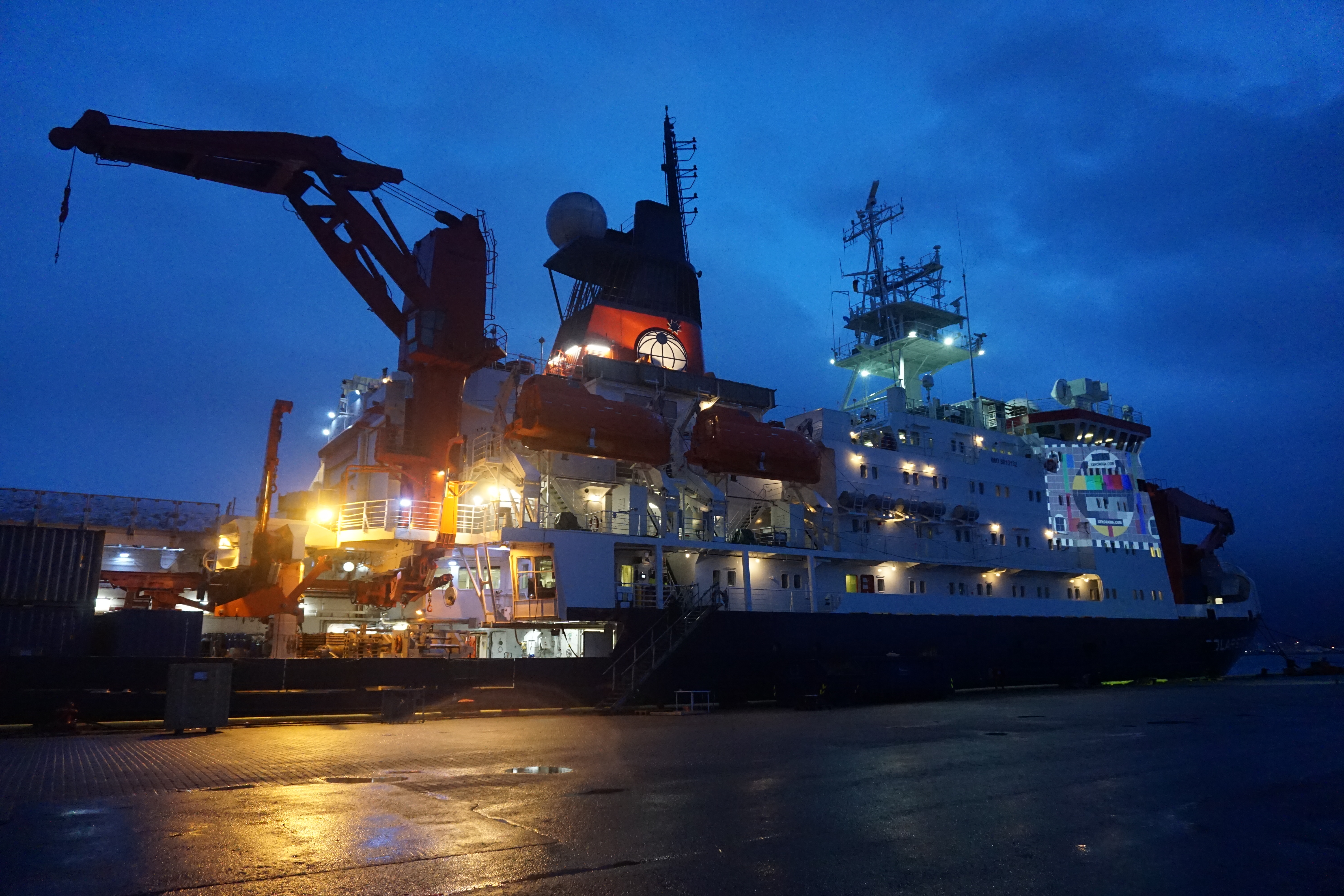
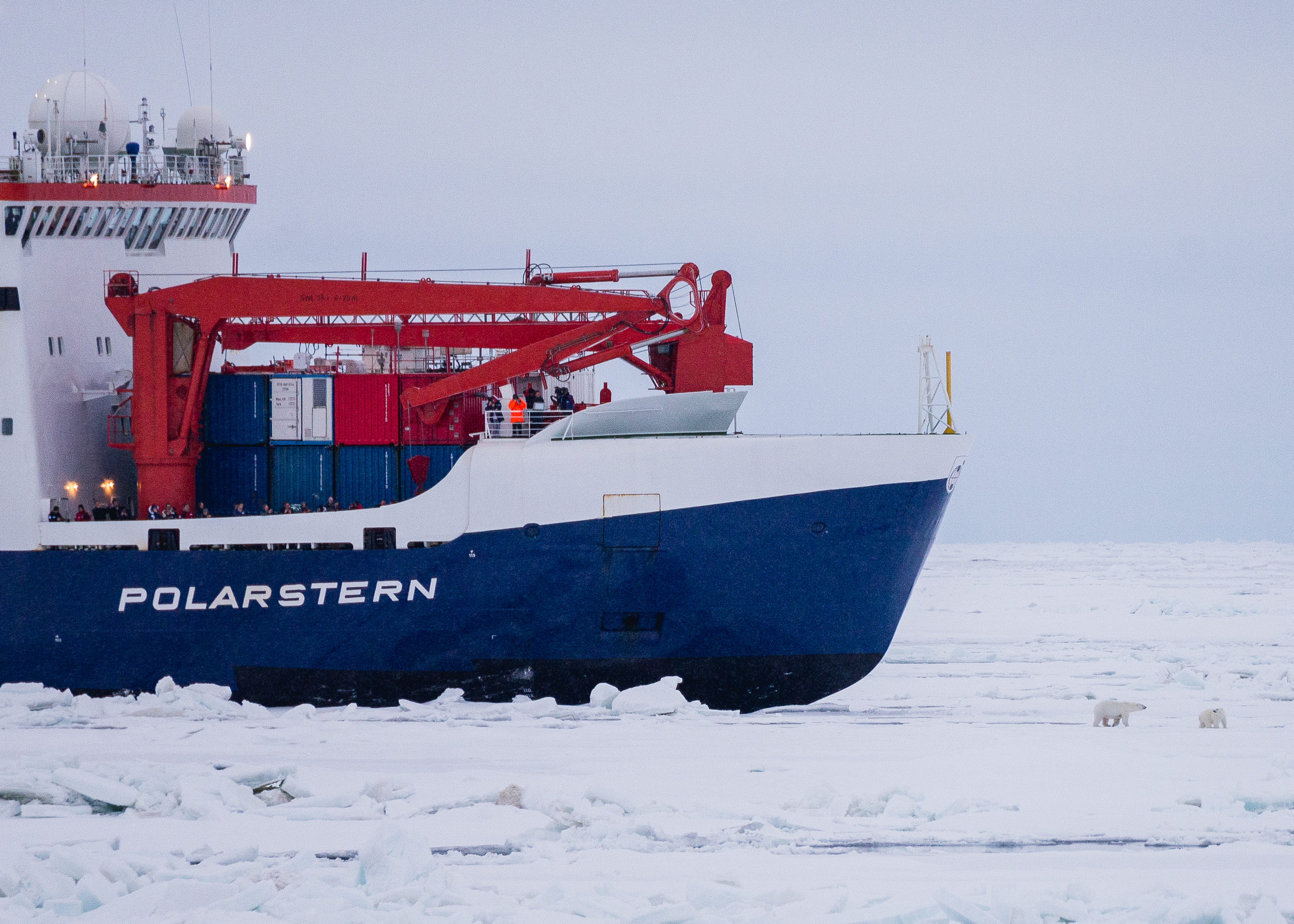
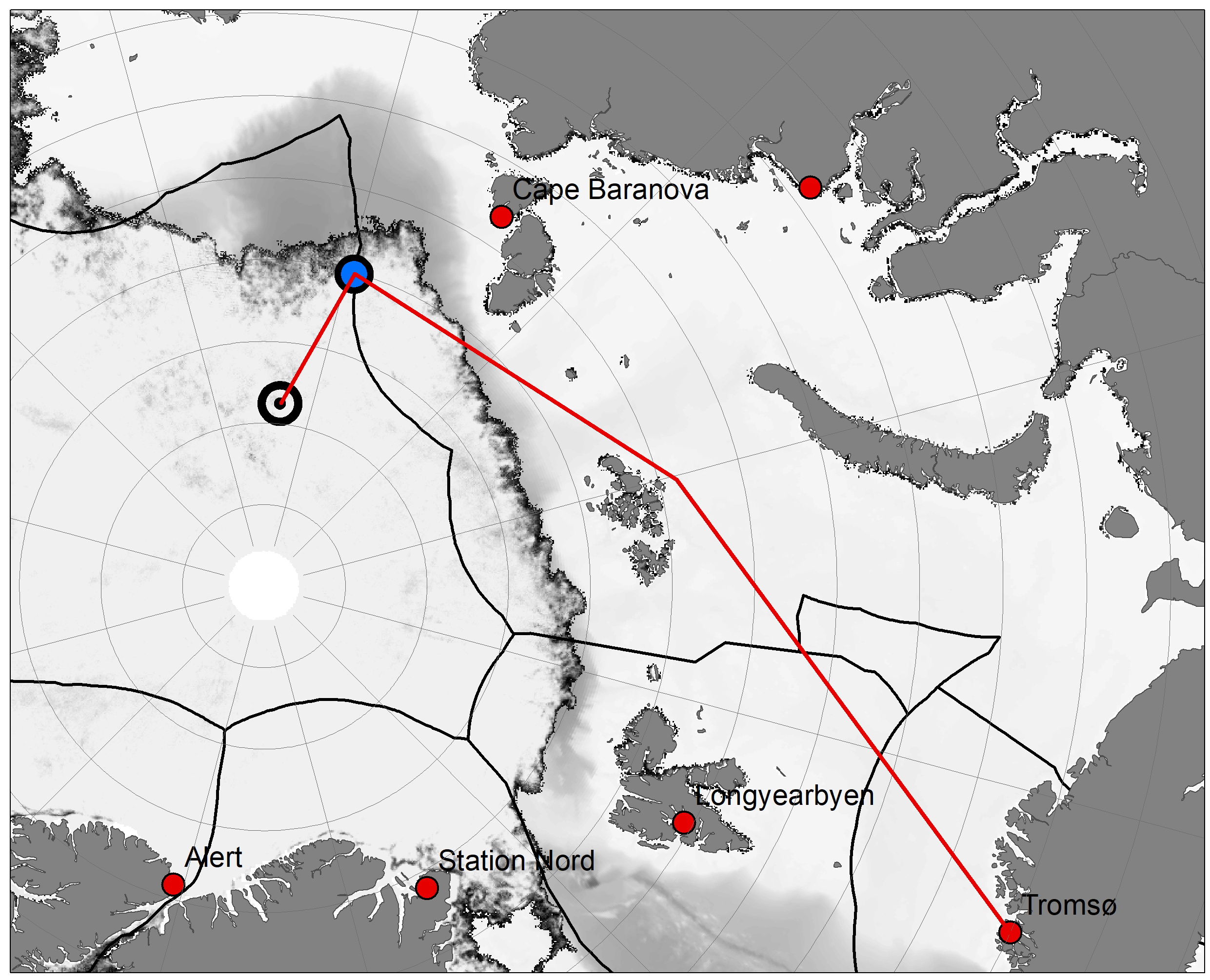
In September 2019, the German icebreaker Polarstern set sail from Tromsø, Norway, embarking on the the MOSAiC Expedition — the largest polar expedition in history. The ship froze into the sea ice and drifted for a year — following in the footsteps of Fridtjof Nansen’s pioneering Fram drift, but with the power of modern science. Led by the Alfred Wegener Institute, the expedition united hundreds of researchers from 20 countries to study the Arctic the linked ocean-atmosphere-sea ice interactions.
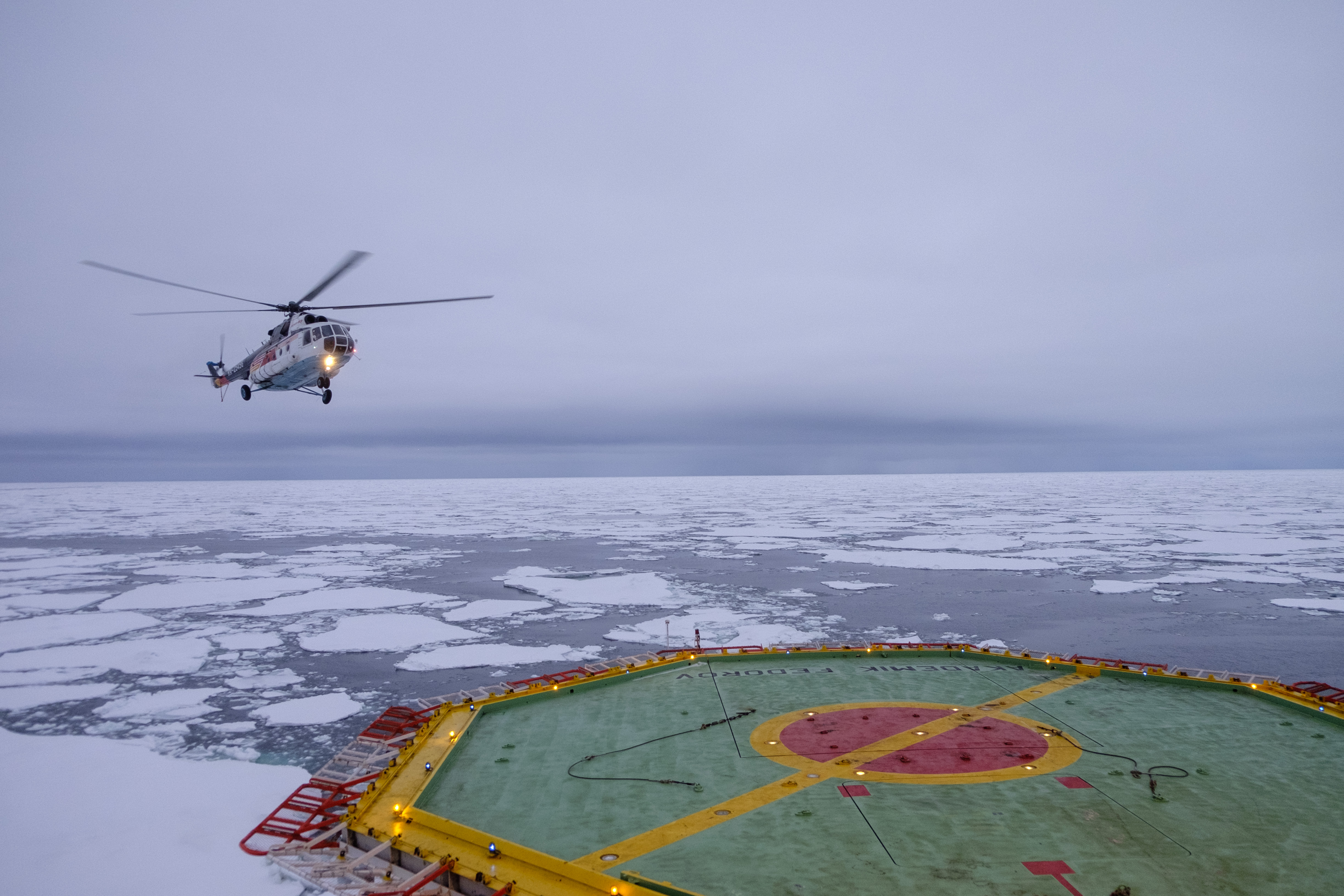
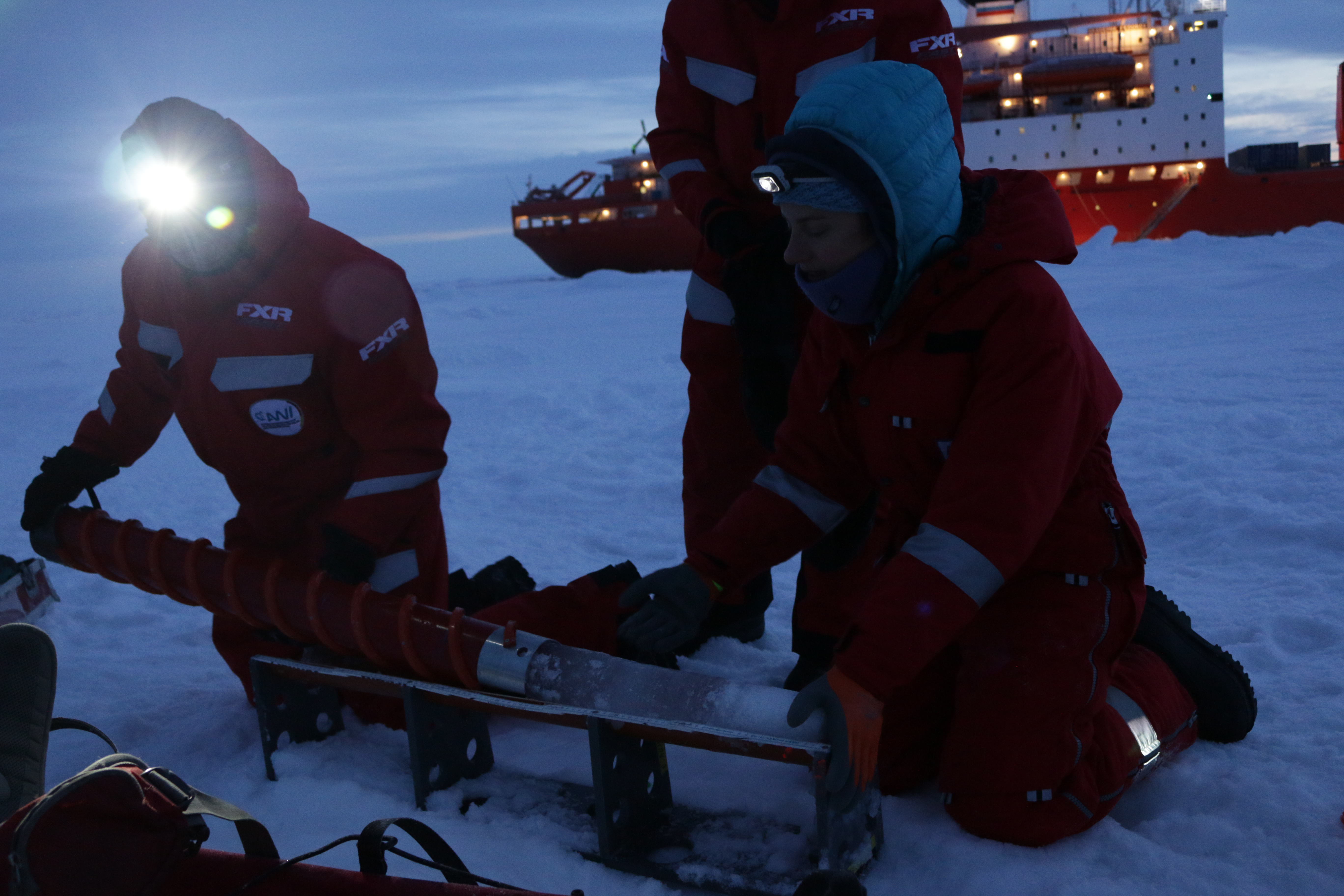
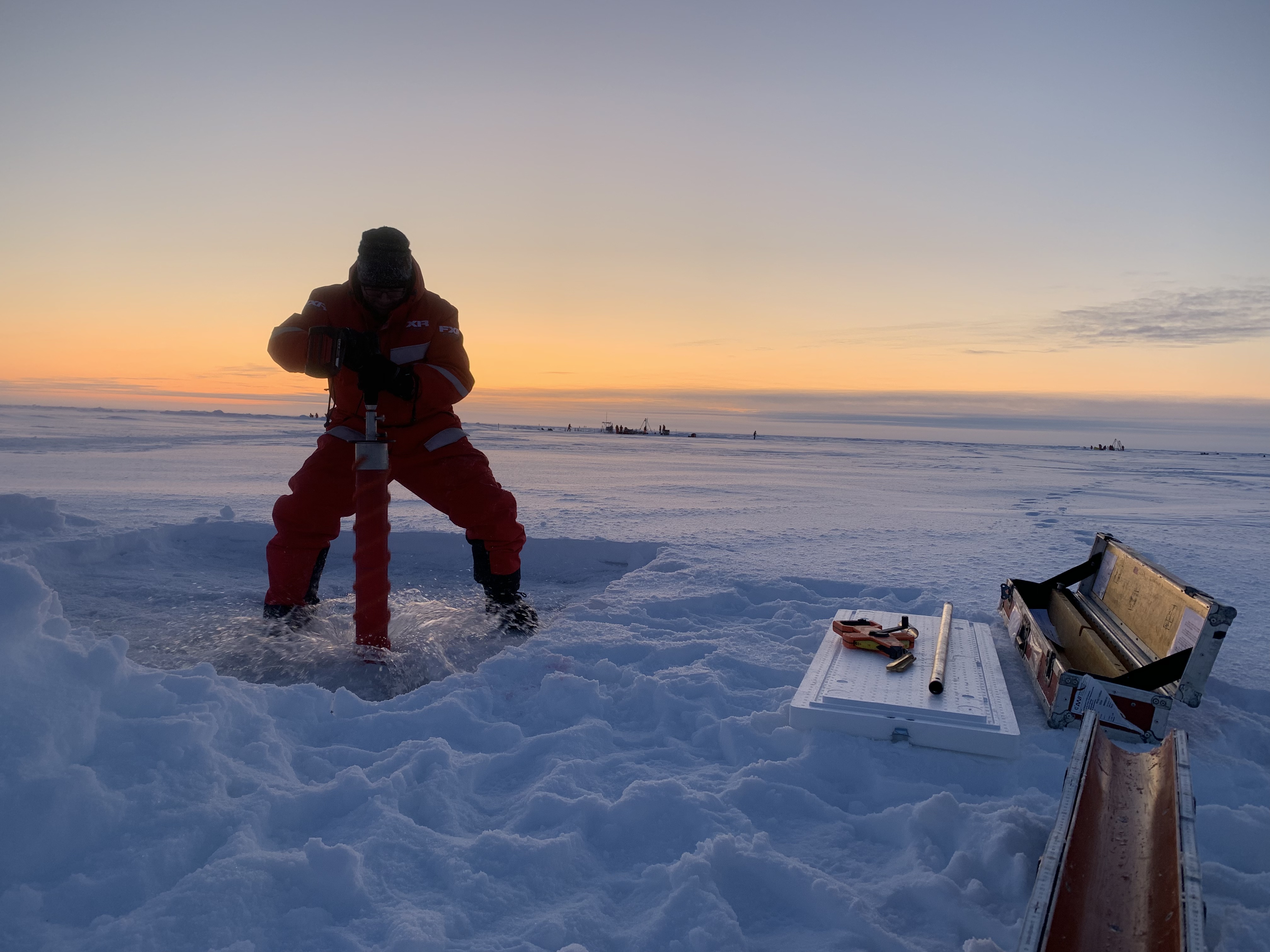
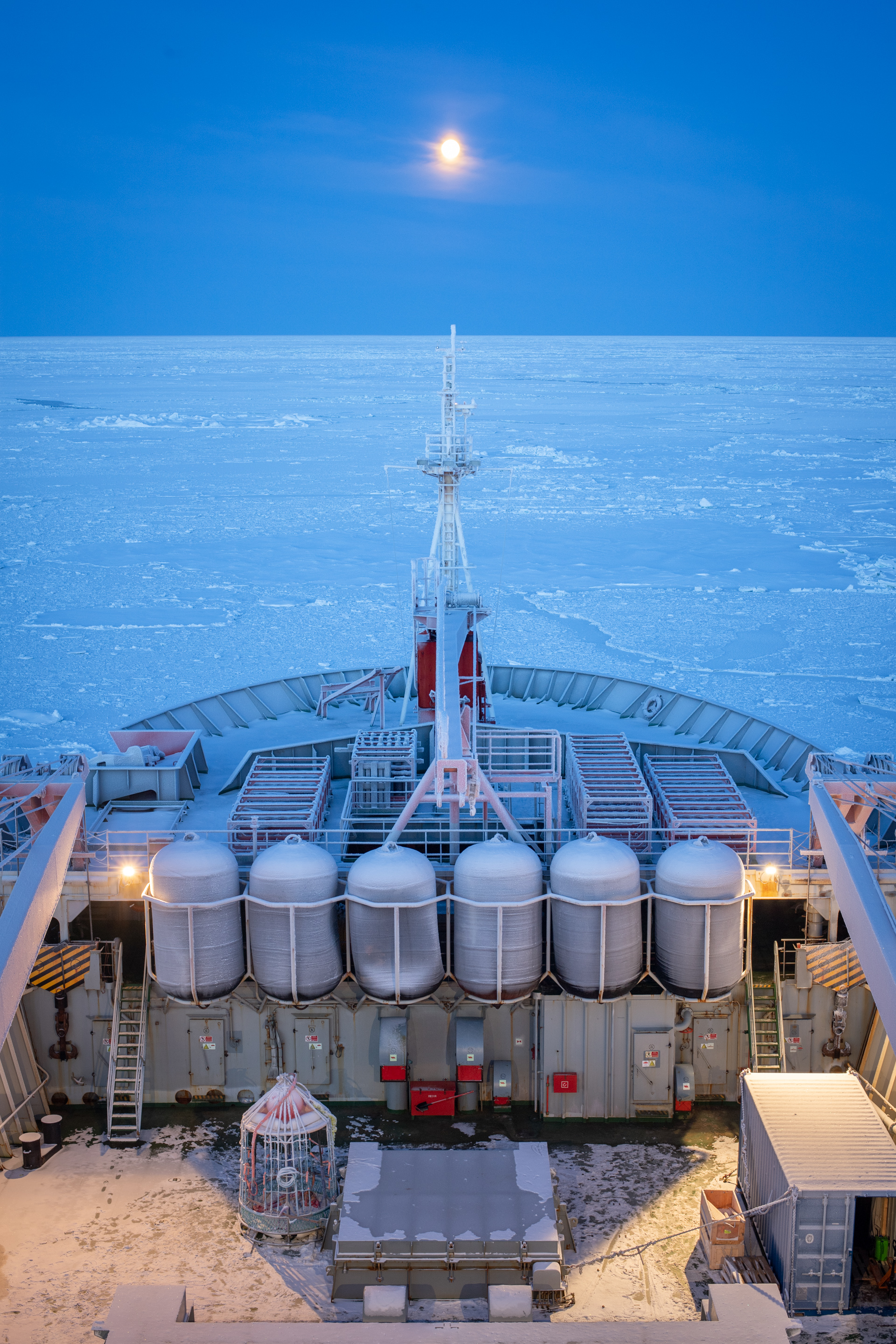
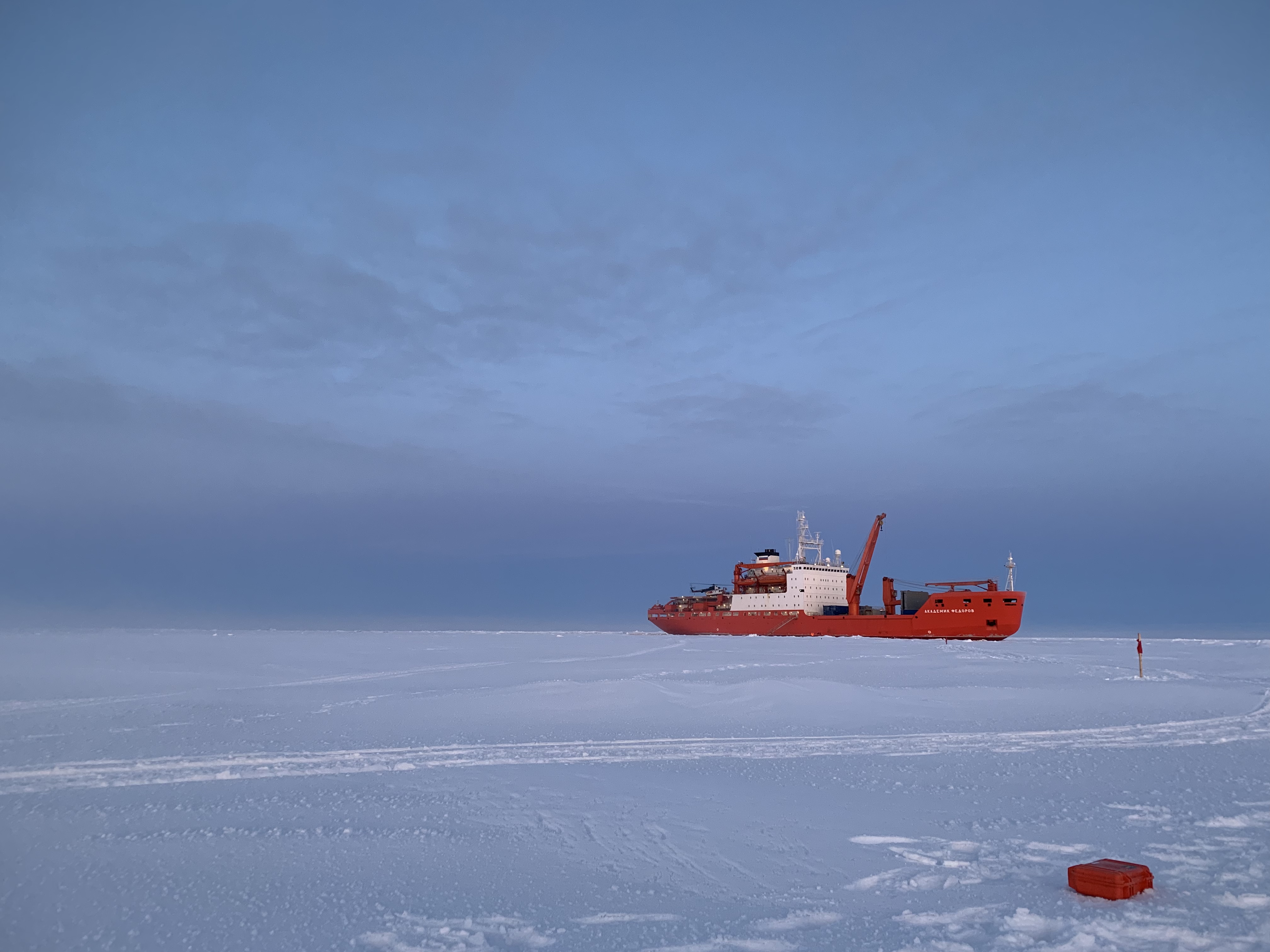
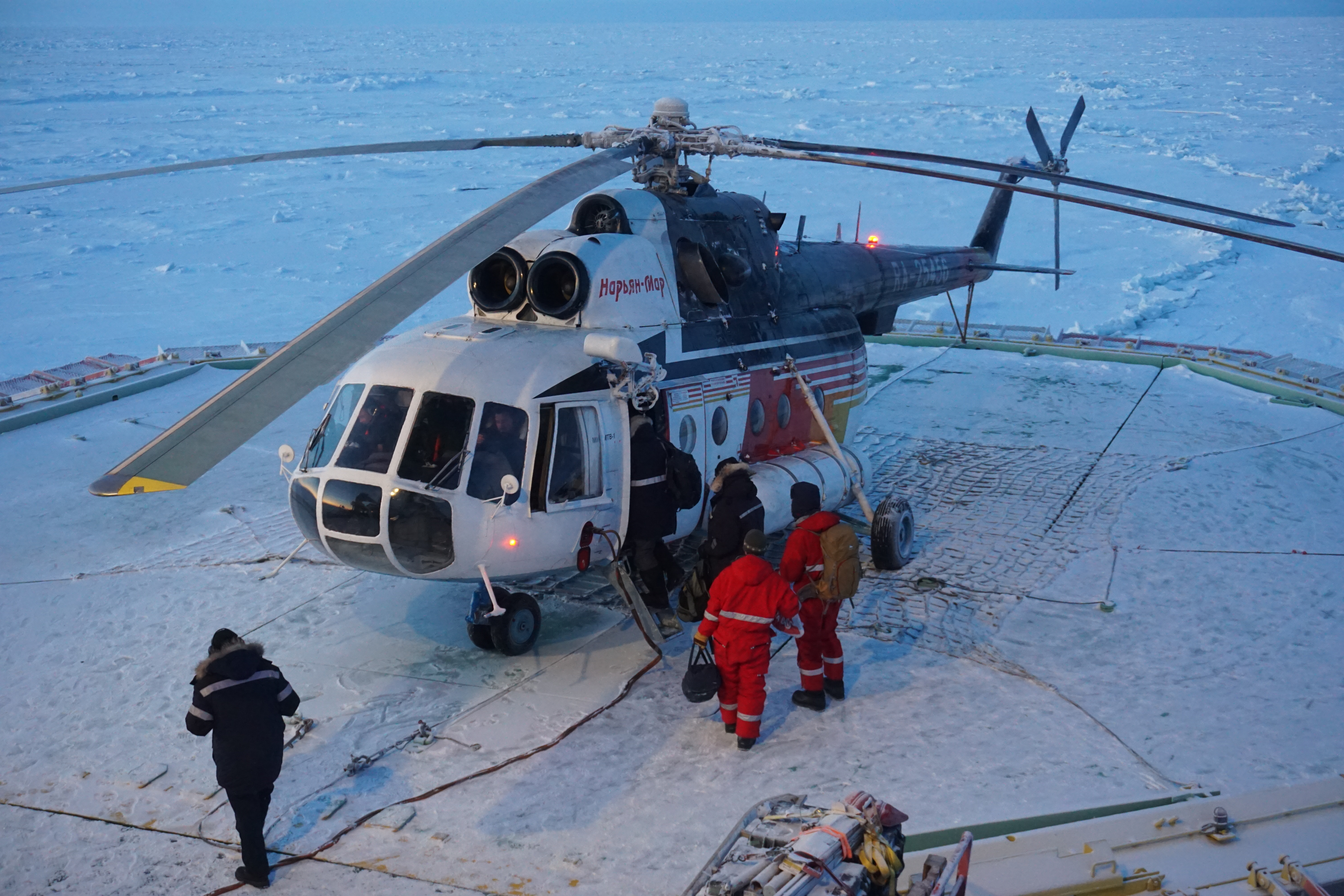
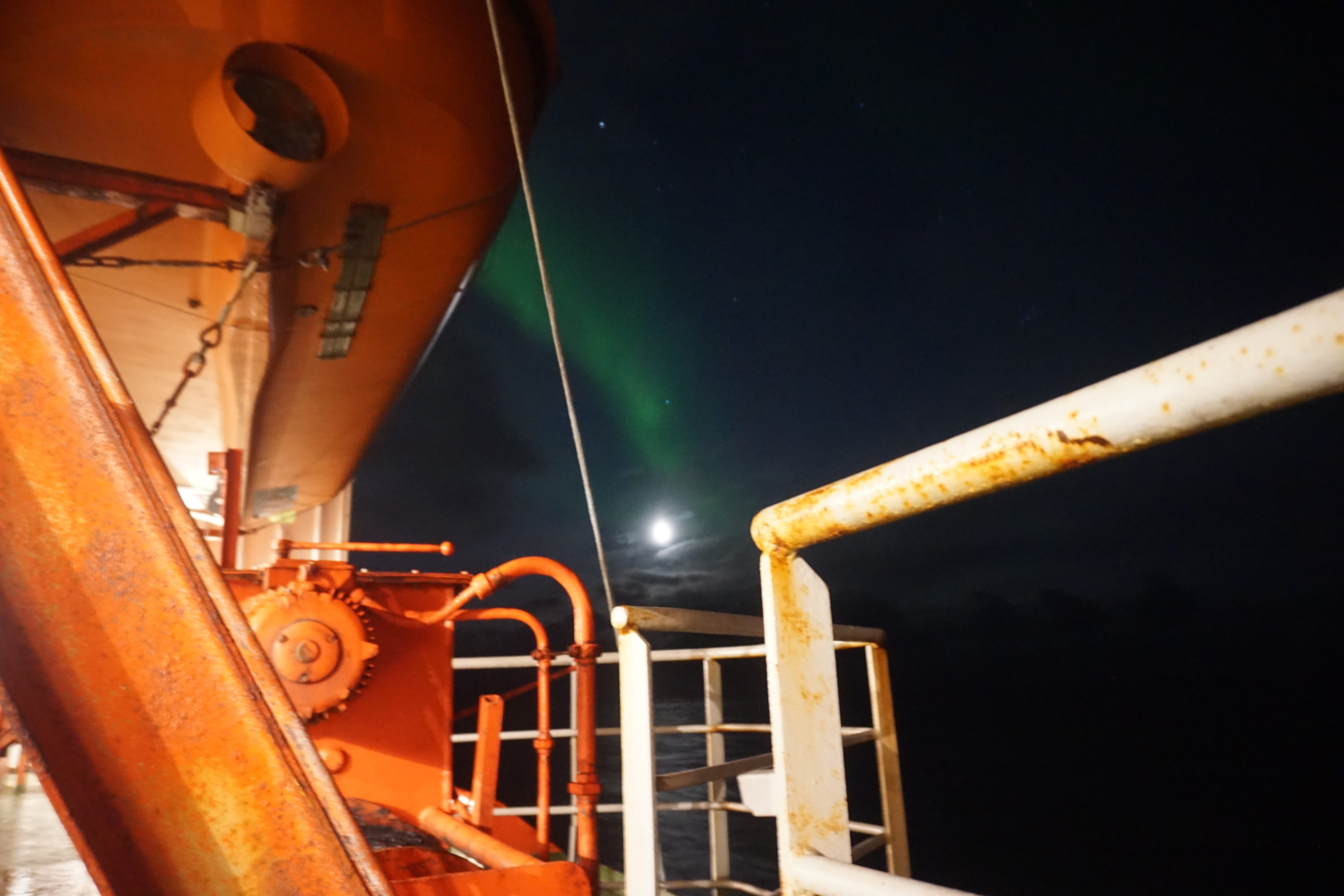
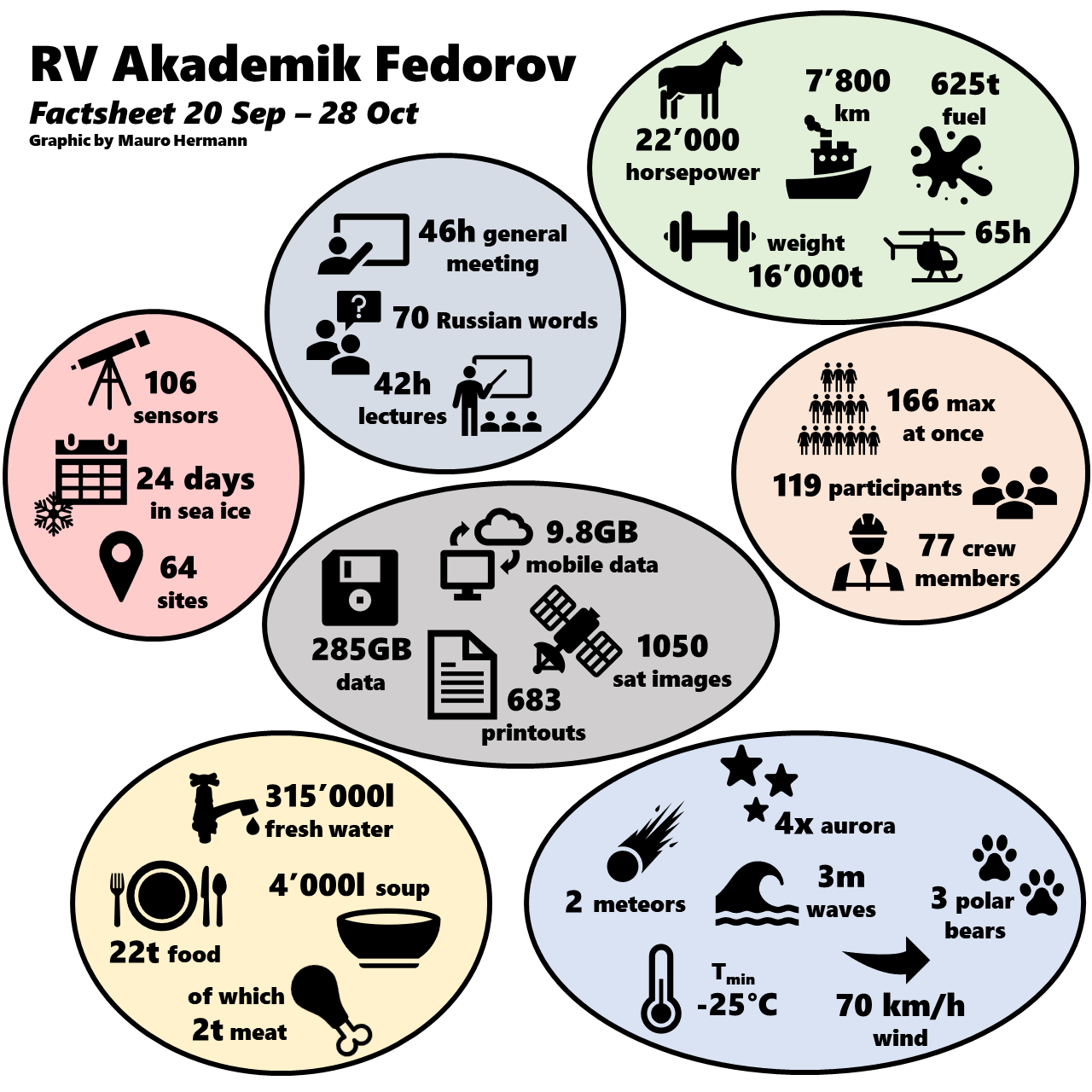
I joined this expedition aboard the R/V Akademik Fedorov, contributing to studies of sea ice biogeochemistry and sediment transport. The unprecedented data gathered during MOSAiC is transforming our understanding of Arctic change and its cascading impacts on Earth’s climate, while also offering analogs for icy extraterrestrial environments where life may persist beneath ice covers.










 Carolynn Harris, PhD